

Carnegie Diner Takes Over Smashburger’s 7 Penn Plaza Lease. Lessons for Restaurant Founders in the Penn District
Carnegie Hospitality is taking over Smashburger’s 5,609-square-foot lease at Feil Organization’s 7 Penn Plaza for a new Carnegie Diner & Cafe. The assignment deal is a practical case study for restaurant and retail founders chasing foot traffic when a chain exits.
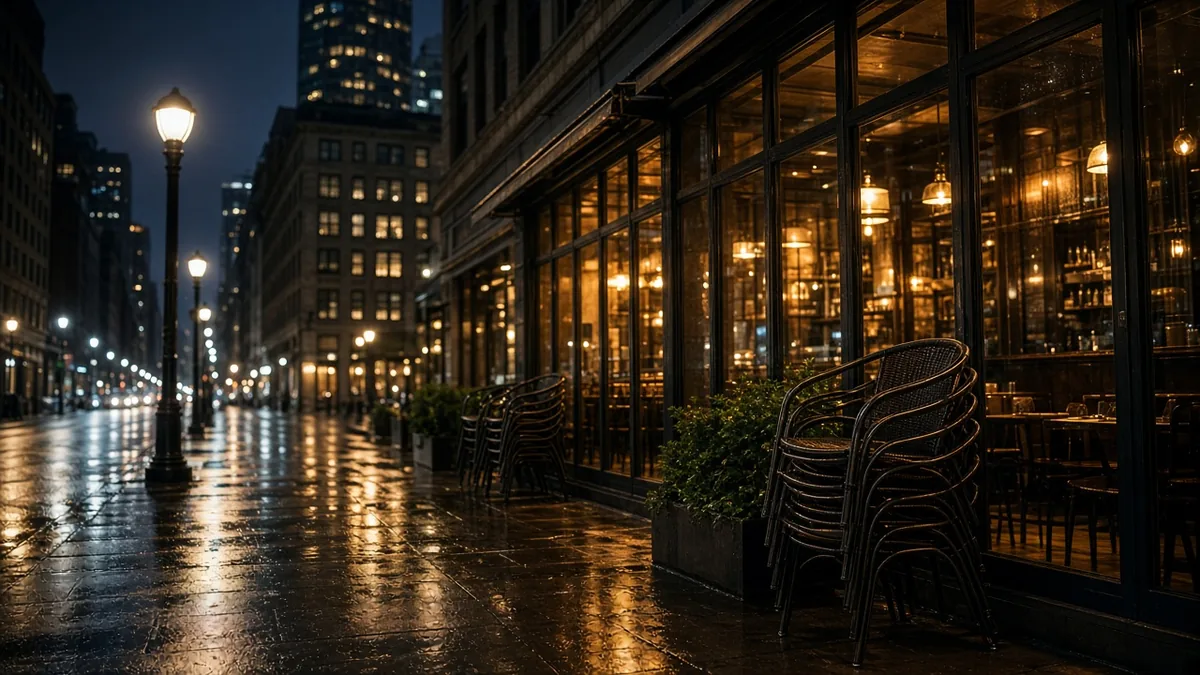
NEW YORK — When a national chain leaves a high-traffic corner, the next tenant is not always starting from a blank lease. Sometimes the opportunity is an assignment: step into the remaining term, extend it, and open faster than a ground-up deal would allow.
That is the path Carnegie Hospitality is taking in Manhattan’s Penn District. According to Commercial Observer’s Emily Davis (Oct. 22, 2026), the restaurateur signed last month to take over Smashburger’s lease at the Feil Organization’s 7 Penn Plaza — also known as 370 Seventh Avenue — with plans to open a Carnegie Diner & Cafe in November.
The Deal Structure
The tri-party transaction included a 10-year lease extension for 5,609 square feet at the corner of Seventh Avenue and West 31st Street. Newmark’s Jeffrey Roseman represented Carnegie; Feil’s Randall Briskin negotiated in-house for the landlord. Cap Street Advisors’ Gui Tepedino represented Smashburger.
Asking rent was not disclosed. For context, retail rents in the nearby Herald Square shopping corridor averaged $412 per square foot in the first half of 2026, according to the Real Estate Board of New York, as cited by Commercial Observer.
The space breaks down as 3,110 square feet on the ground floor, 865 square feet of mezzanine, and 1,634 square feet of basement — a classic vertical diner footprint near transit, with prep and storage pushed below grade.
Why Penn District Foot Traffic Matters
7 Penn Plaza sits in a corridor defined by Penn Station, Madison Square Garden, and the office and hotel density that feeds both. Carnegie’s new neighbors at the building include PopUp Bagels, Oakberry Açaí, Sweetgreen, and Naya — a lunch-and-grab-and-go mix that signals daytime traffic as much as game-night crowds.
For restaurant founders, that neighbor set is a diligence clue. You are not only leasing square footage; you are leasing adjacency to existing food traffic and to the commuter and event flows that keep Seventh Avenue busy after office hours. A diner concept that already runs multiple New York locations is betting that Penn District demand looks more like all-day hospitality than a single daypart.
Who Is Coming — and Who Is Leaving
Carnegie Hospitality currently operates nine New York City locations, the majority as Carnegie Diner & Cafe, plus Delos Greek at 102 West 47th Street and Voco Roofbar at 170 West 48th Street. Late last year, the group also leased 8,450 square feet at Jack Resnick & Sons’ 200 Chambers Street for a combined Carnegie and Delos concept, Commercial Observer previously reported.
Smashburger, meanwhile, is narrowing its Manhattan footprint. Its website listed one remaining Manhattan location at 804 Lexington Avenue, plus several outer-borough sites. “Smashburger has made the decision to transition out of our 7th and Penn restaurant in New York City as we focus on our broader New York metro locations,” a chain spokesperson told Commercial Observer.
That exit is the opening. Chains leave for portfolio reasons that have little to do with whether a corner still works for a different concept. Local operators who can move quickly on an assignment often inherit a built kitchen shell, known utilities, and a landlord already motivated to keep the space occupied.
Practical Takeaways for Restaurant and Retail Founders
- Watch for chain exits near transit. Penn District, Herald Square, and similar nodes recycle space when national brands rebalance. An assignment or takeover can be faster than a cold listing.
- Treat the lease as a three-party puzzle. Tenant, landlord, and outgoing operator all have leverage. Roseman, Briskin, and Tepedino’s roles in this deal are a reminder to staff your side with a broker who has done assignments, not only new leases.
- Map the vertical square footage. Ground, mezzanine, and basement change labor, HOV, and DOHMH realities. A 5,609-square-foot headline number is not the same as 5,609 square feet of seating.
- Use comps carefully. Herald Square’s $412 per square foot H1 2026 average is context, not your rent. Ask for recent Penn District restaurant comps in your size band, including assigned deals.
- Own vs. lease is rarely the first fork. Most growing restaurant groups scale on leases. The sharper question is whether you want a long extension on a proven corner versus a shorter test elsewhere. A 10-year extension signals Carnegie is choosing permanence near Penn over flexibility.
- Underwrite foot traffic by daypart. MSG events, weekday office lunch, and Amtrak/LIRR peaks are different businesses. Walk the corner at those hours before you sign.
What This Lease Teaches
Carnegie’s 7 Penn Plaza deal is a local-operator expansion story wrapped inside a chain retreat. Smashburger is focusing elsewhere in the metro; Carnegie is adding another diner where transit and lunch traffic already exist. For New York restaurant and retail founders, the lesson is operational more than architectural: when a chain leaves a corner you already wanted, the winning move is often not waiting for a gut renovation listing — it is negotiating the takeover, extending the term, and opening while the foot traffic is still there.