

COPA Is Now Law. What NYC Building Owners, Investors and Brokers Need to Know Before It Kicks In Next November
Mayor Mamdani signed the Community Opportunity to Purchase Act on Nov. 10, giving vetted nonprofits a first shot at buying about 2,100 distressed or affordability-restricted buildings. It takes effect in November 2027. Here is who is covered, how the timeline works and what sellers and buyers should plan for.
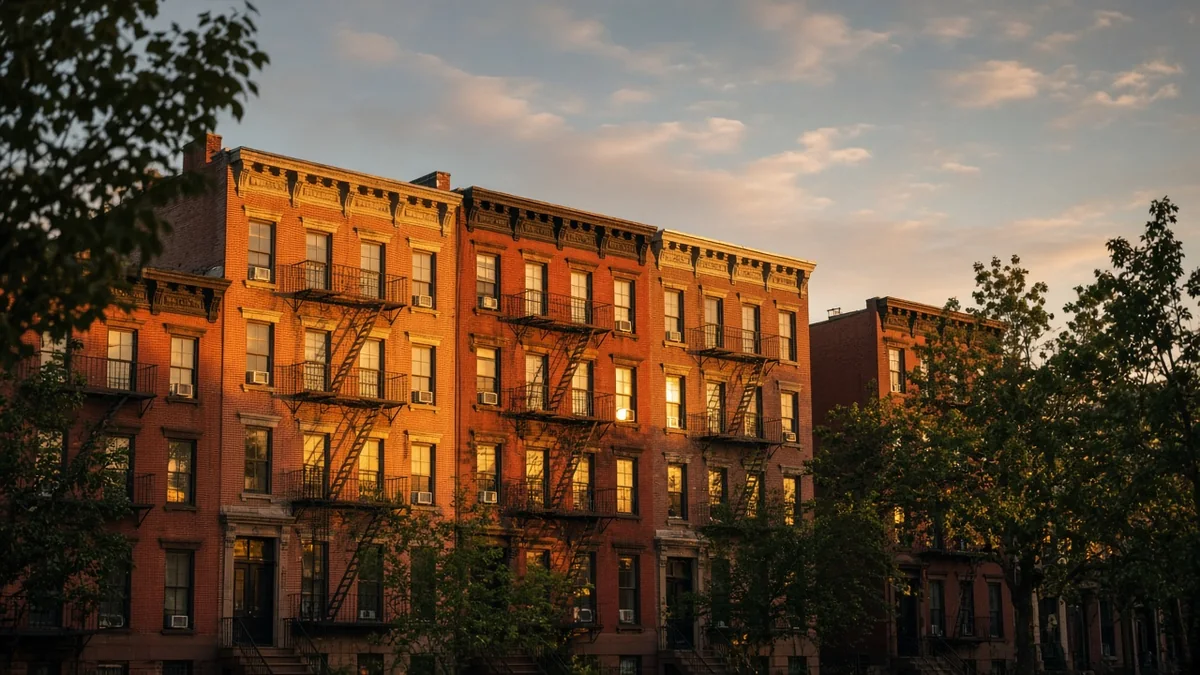
NEW YORK — After six years, four introductions and a mayoral veto, the Community Opportunity to Purchase Act is law. Mayor Zohran Mamdani signed COPA on Tuesday, Nov. 10, at a ceremony in East New York, Brooklyn, giving qualified nonprofits and community groups the first chance to buy certain multifamily buildings before they reach the open market.
The law doesn’t take effect until November 2027, according to amNewYork. But if you own, finance, broker or plan to buy small and midsize apartment buildings in the city, the year in between is when to get ready.
What COPA Does
According to the mayor’s office, the city’s Department of Housing Preservation and Development (HPD) will keep a list of “qualified entities”: vetted nonprofits, tenant groups, community land trusts and other mission-driven organizations that can show experience and the financial capacity to buy and run affordable housing.
When a covered building is put up for sale, the mayor’s office says those groups get an exclusive 145-day window to complete a purchase. If their offer is rejected and another buyer makes an offer within the following year, they get a right of first refusal to match it.
amNewYork described the steps in more detail: owners must notify HPD and qualified organizations when they intend to sell, the organizations then have 20 days to express interest and 70 days to submit an offer. Owners can still market the building and negotiate with other buyers during that period, though restrictions apply to completing a sale.
The law does not force anyone to sell, and it doesn’t guarantee a nonprofit can buy, amNewYork noted.
Which Buildings Are Covered
This is the part that matters most for owners. The mayor’s office says COPA covers multifamily buildings with four or more units that are in significant disrepair, along with buildings that have affordability restrictions under HPD regulatory agreements.
According to amNewYork, the criteria include serious unresolved housing violations, documented tenant-harassment findings or qualifying HPD affordability agreements. Two notable exemptions:
- Owner-occupied buildings with five or fewer apartments.
- Buildings whose only affordability restriction comes from the 421-a tax incentive program.
COPA also won’t apply to judicially supervised foreclosure sales, amNewYork reported.
The final law is far narrower than earlier versions. City Council Speaker Julie Menin said last month that the revisions cut the estimated number of eligible buildings by nearly 80%, from about 10,000 to 2,100, amNewYork reported. The New York Post cited the same figure. The Council passed the revised bill on Oct. 22 by a vote of 38–9, with two abstentions. Former Mayor Eric Adams vetoed an earlier version in December 2025.
The Two Sides
Supporters frame COPA as an anti-displacement tool. “This law will give New Yorkers a tool to keep their homes out of the hands of predatory investors seeking to make a quick and easy buck,” Mamdani said, according to amNewYork.
Landlord groups opposed it. Kenny Burgos, CEO of the New York Apartment Association, said in a statement quoted by amNewYork that “the problem isn’t who can buy these buildings; it’s the rising expenses, two-year rent freeze, and tens of thousands of annual rent-stabilized vacancies driving properties toward financial collapse.”
Even supporters say money is the open question. COPA doesn’t create a dedicated acquisition fund. Cea Weaver, director of the Mayor’s Office to Protect Tenants, pointed to more than $2 billion in the administration’s budget for affordable housing preservation over two years but didn’t say how much would go to COPA purchases, amNewYork reported. “Opportunity alone isn’t enough,” said Michael Johnson of Cypress Hills Local Development Corporation, which hosted the ceremony. “Making preservation possible will take acquisition financing, preservation funding, and technical assistance.”
What Owners and Buyers Should Do Now
This is general information, not legal advice.
Owners: check whether your building could qualify. If you own a building with four or more units, review your open HPD violations, any harassment findings and any regulatory agreements. Clearing serious violations before the law takes effect is worth doing on its own merits, and may affect whether COPA applies.
Sellers: build the timeline into your plans. If a covered sale could involve a notice period, an offer window and a year-long right to match, that affects how you price, when you list and what you tell buyers. Ask your attorney how the rules apply to contracts signed before and after November 2027.
Buyers and lenders: add COPA to due diligence. For a covered building, a deal could be matched by a qualified nonprofit within a year.
Brokers: learn the rules before your clients ask. HPD will spend the next year writing rules and certifying organizations, according to amNewYork. Those rules will shape how covered sales are marketed.
Nonprofits and land trusts: start on certification and financing. Groups that want to use COPA will have to show financial and organizational capacity to get on HPD’s list. The East New York Community Land Trust, which amNewYork said bought a 20-unit rent-stabilized building at 248 Arlington Avenue in 2024, is the kind of model supporters hope to see more of.
We’ll follow HPD’s rulemaking over the coming year and report the details as they’re published.
Entrepreneurs Of New York is an independent publication and is not affiliated with any of the organizations mentioned.