

FiDi and Tribeca Storefronts Are Nearly 20% Empty. A Few Blocks Away, the Seaport Has 160,000 Square Feet Signed. What Retail Tenants Can Learn
New data from City Comptroller Mark Levine show the Financial District and Tribeca among five city neighborhoods with storefront vacancy at or near 20%. Yet Seaport Entertainment Group says it has more than 160,000 square feet of signed-but-not-yet-open tenants in the Seaport, and new retailers keep signing nearby. Here's what the split says about Lower Manhattan retail and how small tenants can u
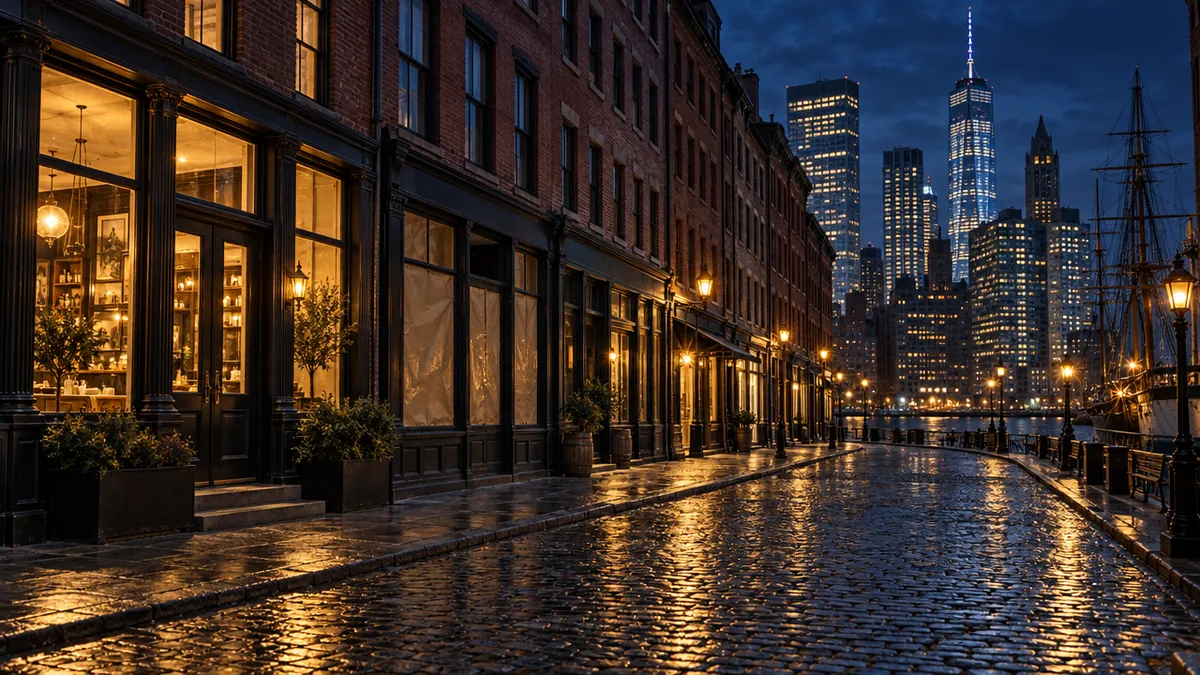
NEW YORK — Lower Manhattan is sending mixed signals to anyone shopping for a storefront.
On Nov. 25, City Comptroller Mark Levine launched a Storefront Vacancy Dashboard and reported that five neighborhoods have vacancy rates at or near 20%. Two of them are in Lower Manhattan: the Financial District and Tribeca. The others are Ocean Hill and East New York in Brooklyn and Old Astoria-Hallets Point in Queens.
Just east of those blocks, the Seaport tells a different story. Seaport Entertainment Group, which runs Pier 17 and other properties in the historic district, said in its third-quarter results that it has “over 160,000 square feet of new tenants and concepts we’ve signed but not yet opened.” It also reported that the Seaport neighborhood was 90% leased or programmed.
For small retailers and restaurant owners, the gap between those two numbers is worth studying.
The Citywide Picture
The comptroller’s data show a citywide storefront vacancy rate of 11.32% in the third quarter of 2026, up slightly from 11.26% the quarter before, across nearly 142,000 storefronts. The rate has hovered between 11% and 11.6% since the third quarter of 2023. Manhattan had the highest borough rate at 13.12%, followed by Brooklyn at 12.68%. The city recorded a net loss of 205 small businesses between the second and third quarters.
The new dashboard will be updated quarterly and shows vacancy at the citywide, borough and neighborhood levels.
What Is Coming to the Seaport
Seaport Entertainment Group spelled out its pipeline on its Nov. 5 earnings call:
- Brooklyn DOP, the Brooklyn pizzeria, signed a 10-year lease for its flagship Manhattan location across from the Balloon Museum at Pier 17. It is expected to open in mid to late 2027.
- Flanker Kitchen + Sports Bar and Hidden Boot Saloon are now expected to open in late first quarter or early second quarter of 2027. CEO Matt Partridge said the company “experienced some contractor-related delays during construction.”
- A new concept from Public Service, the team behind Gowanus’s Public Records, and a new Pier 17 event space are planned for early to mid-2027. Tribeca Citizen reported that the Public Service project will take 11,000 square feet at 219 Water Street.
- Meow Wolf has a preliminary opening expected in early 2028.
- An in-house neighborhood bakery on the Seaport’s cobblestones is expected in mid-2027.
The Balloon Museum opened its first permanent U.S. location at the Tin Building in August. On the call, Partridge said that since it opened, it had lifted revenue at nearby Mister Dips by about 15%.
New Tenants Are Still Signing Nearby
Others are betting on Lower Manhattan too. Got Your Six, a licensed cannabis dispensary based in New Jersey, signed a 2,300-square-foot lease at 256 West Street in Tribeca, Commercial Observer reported. The asking rent was $90 per square foot, according to the tenant’s broker. In the Financial District, rice-ball chain Omusubi Gonbei signed a 12-year lease at 25 John Street, as we reported this week.
Lessons for Small Retail Tenants
Vacancy is leverage. A neighborhood near 20% vacancy means landlords have more empty space to fill. That can mean room to negotiate on rent, free-rent periods, build-out help or shorter terms. Use the comptroller’s dashboard to see how your target area compares before you make an offer.
Look for anchors. Seaport Entertainment Group’s strategy is built on destinations that bring people in, such as the Balloon Museum, concerts on the Pier 17 rooftop and big events. A small shop near an anchor can benefit from traffic it doesn’t pay to create. The Mister Dips example shows how that can work, though it is one data point reported by the landlord.
Think about the time of day. Partridge said much of the Seaport’s food and drink activity is in the afternoon and evening, and that the bakery is meant to create “an approachable, everyday morning destination.” In mixed office and residential areas like FiDi, a gap in the day can be a business opportunity.
Budget for delays. Even a well-funded landlord saw two openings slip because of contractor problems. Partridge also said that because of the Seaport’s historic nature, working with government agencies “always creates some volatility in the timeline.” Small tenants should build extra months and money into their plans and negotiate rent start dates tied to when they can actually open.
Signed is not open. A pipeline of signed leases can make a block more attractive, but those tenants won’t bring foot traffic until they open. If you are counting on a new neighbor, check its expected opening date and plan for it to slip.
The Bottom Line
Lower Manhattan has some of the city’s emptiest storefront blocks and one of its busiest retail pipelines within a short walk. For small tenants, that mix creates opportunity: negotiating power in high-vacancy blocks, plus the chance to sit near anchors that are signed and on the way.