

Manhattan's Prime Storefronts Are the Scarcest in Years. How Small Retailers Can Still Find Space
Third-quarter reports from JLL and CBRE show Manhattan's prime retail availability at its lowest in years, with banks, grocers and gyms competing for space and asking rents rising. What that means for independent shops, and the tactics that still work.
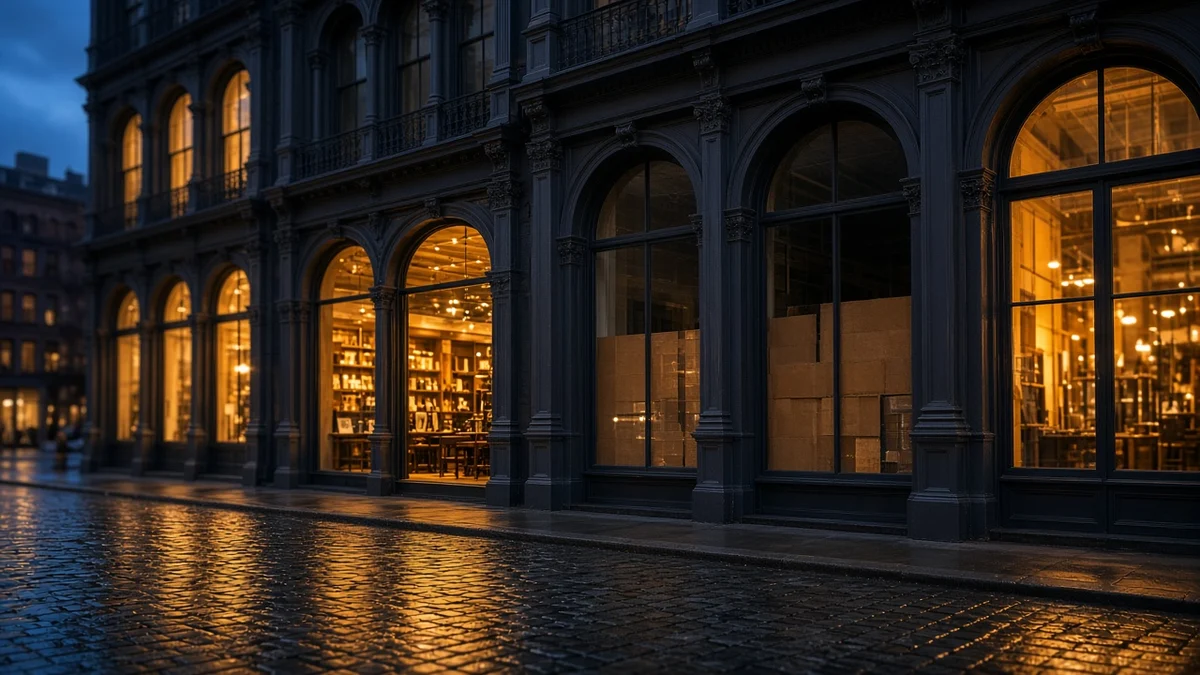
NEW YORK — If you’ve been hunting for a storefront in SoHo, Union Square or on Madison Avenue this fall and kept coming up empty, the data says it isn’t just you. Manhattan’s best retail blocks have less available space than at any point in years, and the competition for what’s left now includes some unexpected tenants.
The Numbers
JLL’s third-quarter Manhattan retail report, as summarized by CRE Daily, put average availability across the borough’s prime corridors at 11.4%, the lowest since JLL began tracking in 2017. Just 157 spaces were available, 38 fewer than a year earlier. Average annual prime availability has fallen from 21.4% in 2019 to 12.3% in 2026.
Some neighborhoods are tighter still. SoHo hit a record-low availability rate of 7.4%, and Union Square/Flatiron reached 10.1%, tying its record from the second quarter of 2018.
Asking rents are climbing, too. JLL’s average prime asking rent rose to $605 per square foot, up 5.7% from a year earlier and just under the post-COVID peak of $608. The picture varies by block: SoHo ground-floor asking rents rose 25.6% year over year to $442, while Times Square fell 12.8% to $1,072 and Union Square/Flatiron fell 14.9% to $236.
CBRE’s Q3 figures, which measure 16 premier corridors differently, point the same way: direct ground-floor availabilities fell to 151 from 170, down 11% from the prior quarter and 12% from a year earlier. CBRE also reported that rolling four-quarter leasing volume was nearly 3.5 million square feet, down 22% from a year ago. With fewer spaces left, there’s less to lease.
Who’s Taking the Space
Banks. JLL singled out bank branches as a major reason supply is shrinking. Bank of America leased 16,309 square feet at 19 Union Square West, OceanFirst took 4,100 square feet at 36 Union Square East, and Citibank signed for 14,274 square feet at 170 West 72nd Street, nearly 35,000 square feet combined, with more bank deals pending. “Banks have also made substantial leasing commitments this quarter, taking significant space off the market,” JLL vice chairman Patrick A. Smith said, according to CRE Daily.
Grocers and gyms. Lee & Associates’ Q3 retail market report found grocers signed four Manhattan leases totaling about 38,000 square feet in the quarter, and health clubs added about 39,000 square feet across four deals, often in second-generation boxes vacated by theaters, drugstores and older retailers.
Big brands and clubs. JLL’s quarter also included Zara at 184-192 Bedford Avenue in Williamsburg, UGG at 620 Fifth Avenue and the private club Maison Estelle at 656 Avenue of the Americas.
The same Lee & Associates report adds a sobering counterpoint. Retail employment in Manhattan remains 21.2% below 2019 levels, and “smaller retailers report sharp declines” even as luxury spending holds up. Scarce space and strained small shops are both true at once.
What This Means for an Independent Retailer
Smith’s own advice, per CRE Daily, is that finding “the right space at an occupancy cost a business can support now takes a more focused search.” Here’s what that can look like in practice.
Look one block off the corridor. The reports measure prime corridors. Side streets, upper floors and adjacent neighborhoods aren’t in those counts, and they’re where independent businesses have long found workable rents. JLL noted that some Madison Avenue tenants have been leasing north of the core stretch.
Follow the rent data, not the headlines. Asking rents fell in Union Square/Flatiron and Times Square even as availability tightened elsewhere. CBRE’s taking-rent index, which compares achieved rents to asking rents, was 85.6% in the quarter, so deals are still closing below the asking price on average. Make an offer based on comparable deals, not the listing.
Consider smaller and shared formats. If a 2,000-square-foot box is out of reach, a shop-in-shop, a shared storefront with a complementary business or a short-term pop-up can test a location before you sign for years.
Move faster than usual. With fewer options, good spaces don’t sit. Have your financials, a personal or corporate guaranty plan and a broker or attorney lined up before you tour.
Negotiate the terms that protect you. In a landlord’s market, rent may not move much, but free-rent periods, build-out allowances, renewal options and a cap on guaranty exposure are still worth asking for.
Get free lease help before you sign. The city’s Commercial Lease Assistance Program offers free legal help to eligible small businesses on new leases, renewals and landlord negotiations. Eligibility rules apply, including that franchises don’t qualify.
What to Watch
JLL said more bank deals are pending, so watch whether availability keeps setting lows in the fourth quarter and whether asking rents clear the $608 post-COVID peak. For small retailers, the more useful signal may be what happens off the prime blocks, where most of the city’s independent shops actually live.