

Maspeth Wants a Business Improvement District on Grand Avenue. Here's How NYC BIDs Work and What They Cost
Business and property owners in Maspeth, Queens, are trying again to form a business improvement district along Grand Avenue, with a projected median assessment of $1,140 a year at first billing. What a BID does, who pays, how the multi-year approval process works, and what owners in any neighborhood should ask before signing a ballot.
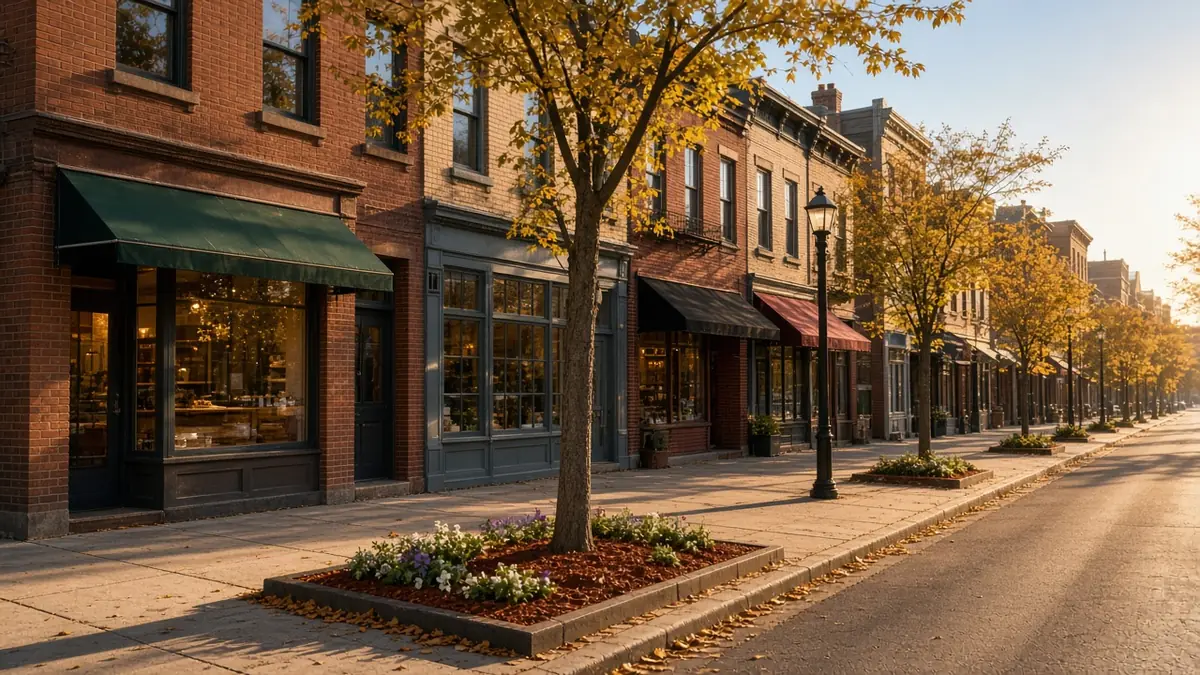
NEW YORK — On Grand Avenue in Maspeth, Queens, the people who sweep the tree pits and string up the holiday lights are mostly volunteers. A group of local business and property owners wants to change that by forming a business improvement district, or BID, a nonprofit that would be paid for by a special charge on property owners along the corridor.
The effort, reported by QNS on Nov. 10, is a good window into how BIDs get made in New York City, and why the process takes years.
What Maspeth Is Proposing
The proposed district would start at 63rd Street and Flushing Avenue and run to 74th Street and Grand Avenue, QNS reported. The steering committee is co-chaired by David Daraio, executive vice president and chief operating officer of Maspeth Federal Savings, and attorney Michelle Masone.
“To have a full-time person whose job is literally just to do the best for our commercial avenue would be amazing,” Masone told QNS. “As it is now, every member of the chamber, we’re all volunteers and we all have our own jobs.”
The idea isn’t new. Chamber president MaryAnna Zero told QNS that people tried to form a BID in the 1980s but “it just didn’t fly,” and advocates say the pandemic stalled a more recent attempt. A needs assessment by the steering committee found demand for more frequent tree pit cleanups, better safety and events for small businesses such as a restaurant week.
What It Would Cost
According to the Maspeth BID initiative’s website, the median assessment at “starting billing,” expected two to three years from now, would be $1,140 a year, or about $95 a month. At maximum billing, six to 10 years out, the median would be $1,850 a year. Each property’s charge depends on its street frontage and assessed value, and the rates are printed on the support ballot so owners can calculate their own bill.
That cost lands on property owners, but commercial tenants often feel it too, because many leases pass through property tax charges. If you rent a storefront, check your lease’s language on real estate taxes and assessments before assuming the BID is your landlord’s problem.
Supporters push back on the idea that it’s a “double tax.” The city collects the assessment and passes all of it to the BID, which must spend it within its boundaries, according to the initiative’s site. It also notes that by law city services can’t be reduced because a BID exists. Zero, who owns a building on the avenue, put it plainly to QNS: “I don’t like the idea of having to pay extra taxes, but I know we need to do it.”
How a BID Gets Formed
The city’s Department of Small Business Services (SBS) lays out the steps on its BID formation page:
- Planning. A steering committee of property owners, businesses and residents assesses the neighborhood’s needs and drafts a plan covering boundaries, services, a yearly budget and how properties will be charged.
- Outreach. The committee holds public meetings, sends mailings and collects letters of support from property owners and tenants.
- Legislative approval. After SBS signs off on the first two phases, the plan goes through the community board, borough board, City Planning Commission, City Council, the mayor and the state comptroller.
Maspeth’s committee told QNS it is now in outreach, distributing a support ballot, with public meetings expected early next year. (The SBS list of active efforts still showed Maspeth in the planning phase when we checked.) The committee is also running required demonstration projects: tree pit cleanups along the corridor from 10 a.m. to 3 p.m. on Saturday, Nov. 14 and Saturday, Nov. 21. Volunteers can register at maspethbidformation@gmail.com.
Maspeth isn’t alone. The SBS page lists active formation or expansion efforts in neighborhoods including Burnside-Jerome-Tremont in the Bronx, Gowanus and Northside Williamsburg in Brooklyn, Yorkville and Washington Heights in Manhattan, Downtown Far Rockaway and Sunnyside in Queens, and Bay Street on Staten Island.
Questions to Ask Before You Sign a Ballot
If you own or rent in a proposed district, ask the steering committee:
- What will my property pay, at start and at maximum? Use the ballot’s rates with your frontage and assessed value, and ask how increases are approved.
- What exactly will the money buy? Get the draft budget. Sanitation, safety, marketing, events and holiday lighting are common, but every BID sets its own priorities.
- Who sits on the board? BIDs are run by nonprofit boards elected by members of the district, so ask how property owners, commercial tenants and residents will be represented.
- How will the BID measure results? Ask what success looks like after the first year, such as cleaner sidewalks, fewer vacancies or more events, and how it will be reported.
- Will my lease pass the charge to me? Tenants should read their lease and talk to their landlord early.
The Bottom Line
A BID is a long-term commitment that trades a predictable annual charge for full-time staff focused on one commercial strip. Supporters in Maspeth point to the Myrtle Avenue BID in neighboring Ridgewood, established in 1988, as a model. Whether Grand Avenue follows will depend on how many owners and tenants sign on in the months ahead.