

Amazon Says NYC's Delivery Protection Act Could Add $5 an Order. What Int. 518 Would Actually Do, and Why Local Delivery Owners Are Rallying
The City Council's Delivery Protection Act, Int. 518, would require last-mile warehouses to get a city license and directly employ their delivery workers. Amazon told New York customers it could add up to $5 per order, and the owners of local delivery companies that contract with it rallied in Queens on Nov. 19. What the bill says, where it stands and what small business owners should watch.
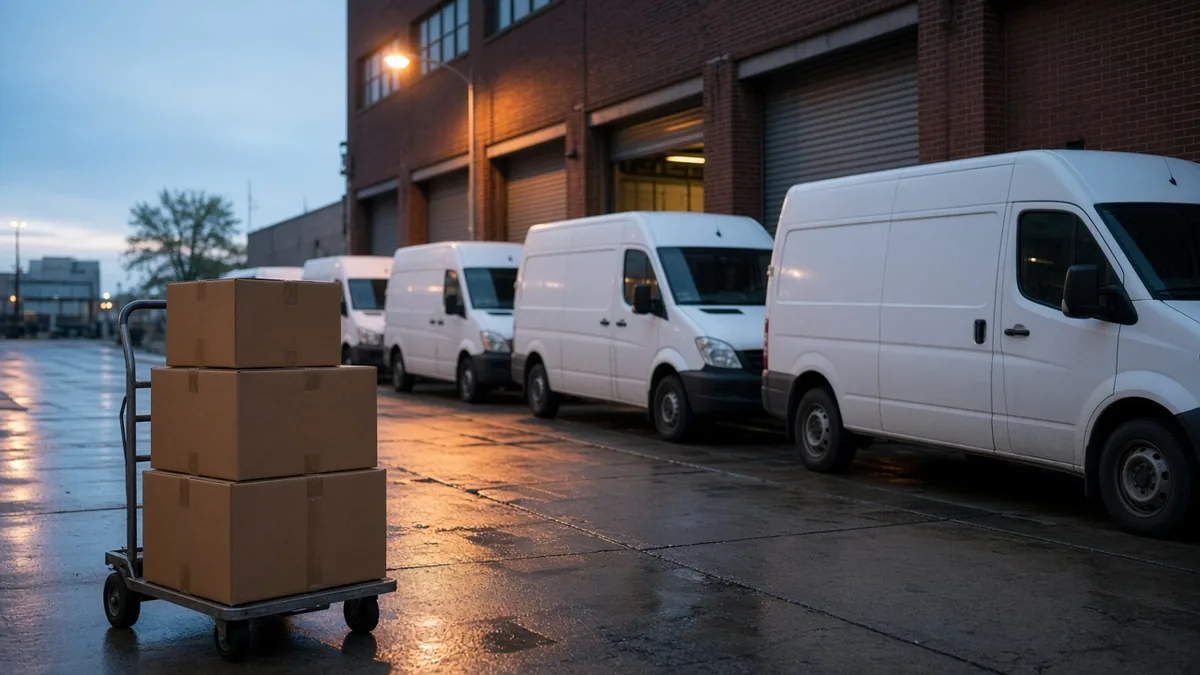
NEW YORK — A City Council bill about warehouses has become one of the city’s loudest small business fights, and both sides say they’re protecting local entrepreneurs.
On Nov. 19, delivery workers and the owners of independent delivery companies that contract with Amazon rallied in Queens against the Delivery Protection Act, known in Council records as Int. 518. The same day, Amazon told New York City customers in a message that it could add up to $5 per order if the law passes. amNewYork reported that the company did not say how it arrived at that figure.
What Int. 518 Would Do
The bill, sponsored by Council Member Tiffany Cabán, covers “last-mile” facilities, the warehouses where packages are sorted and loaded onto vans for final delivery. According to the Council’s plain-language summary, as described by NYC Politics:
- Operators would need a license. Warehouses and storage sites that deliver goods to customers in the city would need a business license from the Department of Consumer and Worker Protection (DCWP).
- The license comes with conditions. It would carry safety, training and employment requirements, with enforcement by both the city and workers.
- Direct employment. At an April hearing, committee chair Harvey D. Epstein said license holders would be required to directly employ their delivery and warehouse workers.
- Timing. Most of the bill would take effect 120 days after becoming law, and DCWP would have to write rules.
Cabán has said the license would cost $500 every other year.
The Case for the Bill
Mayor Zohran Mamdani backed the bill in August, arguing that large delivery companies use subcontracting to avoid responsibility for working conditions and street safety. City Hall said at least 18 large last-mile facilities have opened in the city since 2017, 11 of them since 2020, and cited a 2025 comptroller’s report finding that 78% of nearby areas saw an increase in injury-causing crashes after a facility opened. In Maspeth, crashes near major FedEx and Amazon warehouses rose 53% and 48%, respectively.
The Teamsters support the bill. Cabán called Amazon’s surcharge warning “corporate bullying at its best” in an interview with News 12 Brooklyn. In a statement to amNewYork, she said, “It’s simply dishonest to claim that this bill would require them to charge consumers $5 for every delivery.”
The Small Business Owners on the Other Side
The people who rallied in Queens aren’t Amazon employees. They own Delivery Service Providers, or DSPs: locally owned companies that hire and manage drivers who deliver Amazon packages. According to the New York Delivers Coalition, the bill would restrict large delivery companies from contracting with DSPs. The coalition says nearly 80% of the affected workforce lives in the outer boroughs, including 36% in Queens.
Their worry: if Amazon must employ drivers directly, their businesses lose their customer.
- Kris Basmagy, owner of Dashwave Delivery, told amNewYork his company employs nearly 200 people in peak season. “If we’re doing a good job, we should be able to operate,” he said.
- Jordan Rodriguez, a former Amazon delivery driver who has owned a Bronx DSP since 2024, said he employs nearly 200 people.
- Juan Martinez told News 12 his Red Hook company employs about 170 workers and delivers around 20,000 packages a day. “It would literally put me out of business,” he said.
Amazon said that if the bill passes it would no longer be able to work with DSPs and would have to consider moving operations outside the city. Gothamist reported, per NYC Politics, that Amazon works with more than 40 DSPs in the city and says more than 5,000 jobs are at risk. Business groups and the National Urban League also oppose the bill, arguing it would hurt small delivery companies, many owned by Black and Hispanic entrepreneurs.
Where It Stands
The bill has more than enough sponsors to pass. NYC Politics counts 34 Council sponsors, while amNewYork and Gothamist count 35. A majority is 26 and a veto override takes 34. But it hasn’t had a committee vote since the April 9 hearing. Menin’s staff is working on changes to address legal concerns, and she told Gothamist, “To be clear, we are going to be regulating Amazon.” Menin, who called Amazon’s surcharge message a “deceptive campaign,” told amNewYork the Council is “crafting legislation that regulates Amazon and protects workers, without impacting prices or jobs.”
What Small Business Owners Should Do Now
- Watch for Int. 518-A. An amended bill would show up in the Council’s records first as an “A” version. Its employer language will matter more than today’s text.
- Know the calendar. The bill needs a vote in the Committee on Consumer and Worker Protection before going to the full Council. The remaining stated meetings this year are Dec. 3 and Dec. 17.
- DSP owners: get your numbers in front of your Council member. Headcount, payroll, safety records and where your workers live are the specifics that shape amendments. The coalition says its meeting requests went unanswered; Cabán says she has talked to “hundreds and hundreds of workers.”
- Merchants: don’t reprice yet. The $5 figure is Amazon’s warning, not part of the bill, and the sponsor disputes it.
For how to weigh in on Council bills, see our guide to the Dec. 1 small business hearing.