

Bodegas Just Got 90 More Days to Meet the New SNAP Stocking Rule. Here's What Owners Should Do With Them
USDA is giving SNAP-authorized stores a 90-day reprieve on tougher stocking standards that took effect Nov. 4. The rule itself isn't going away. What it requires, what no longer counts, and how New York bodega and corner store owners can use the extra time.
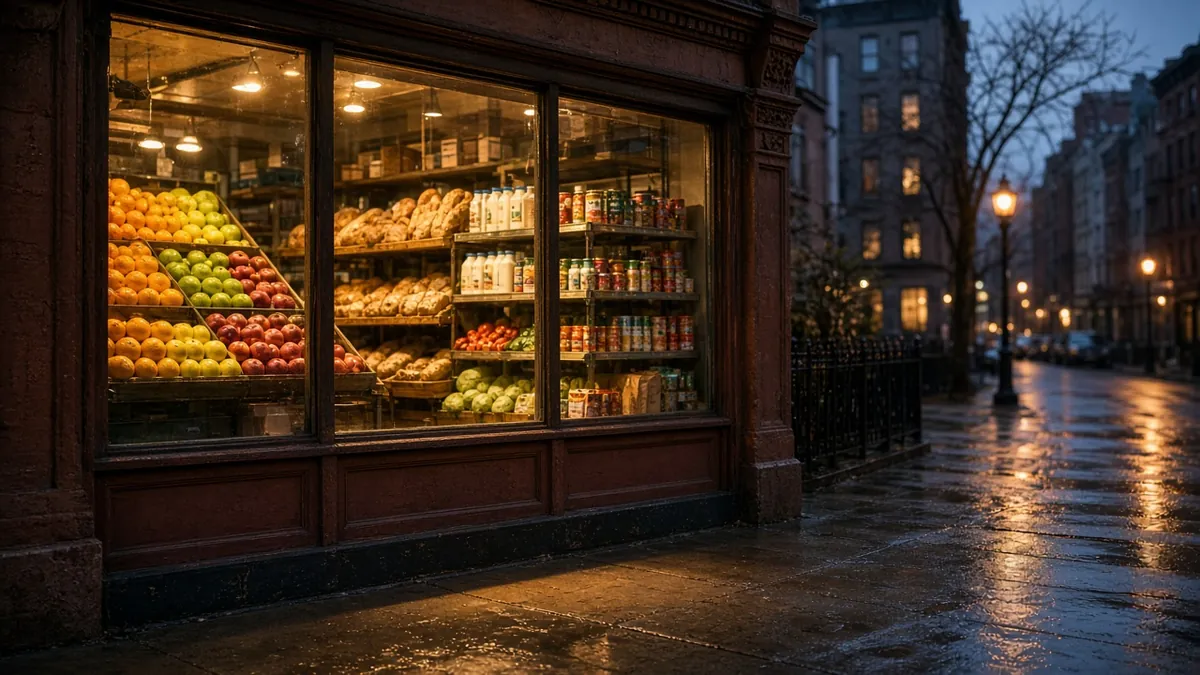
NEW YORK — For thousands of New York bodegas and corner stores, the most important small business news of the week came out of a federal agency, not City Hall. The U.S. Department of Agriculture will hold off on enforcing a new rule that requires stores accepting SNAP benefits to stock far more kinds of staple foods, giving retailers 90 more days to comply.
Mayor Zohran Mamdani announced the extension on Friday, saying it followed negotiations with the Trump administration. The USDA’s own stocking standards page now says that, effective Nov. 13, 2026, it is “providing a 90-day compliance extension” for SNAP-authorized retailers. The relief applies nationwide.
The key word is extension. The rule is still coming, and the clock is already running.
Why This Matters to New York Stores
SNAP is a big slice of revenue for a lot of neighborhood shops. According to City Hall, bodega organizations estimate that SNAP purchases make up 15% to 20% of a typical New York City store’s sales, with some Bronx owners reporting figures as high as 30%. A store that fails the new standards would be withdrawn from SNAP and could no longer accept benefits, and under USDA’s FAQ it can reapply only six months after the withdrawal date.
The rule was supposed to be implemented by Nov. 4. But USDA didn’t issue implementation guidance until Sept. 4, the mayor’s office said, which left businesses about two months to adjust. City & State reported that limited shelf space and refrigeration made the new requirements especially hard for bodegas and convenience stores, and that the mayor had asked USDA for a six-month delay before getting 90 days.
The federal government made clear it sees this as a pause, not a retreat. A USDA spokesperson told Politico, as quoted by City & State, that “the Department will afford retailers 90 more days to get it right.”
What the Rule Actually Requires
The final rule, published in the Federal Register in May, puts into effect stocking standards Congress passed in the 2014 Farm Bill that had been on hold for years. Under the main eligibility test, most stores must continuously offer:
- Seven varieties in each of four staple food categories: dairy, grains, protein, and vegetables or fruits. That’s at least 28 varieties, up from three per category before.
- Three stocking units of each variety, for at least 84 units on the shelf.
- At least one perishable variety in three of the four categories, up from two. Perishable can mean fresh, refrigerated or frozen, but an item that only needs refrigeration after opening doesn’t count.
“Continuous basis” means the items have to be for sale and on public display on any given day the store is open, USDA says. A variety is a distinct food: apples and oranges are two varieties, and a stocking unit is how the product is normally sold, such as a bag, can, bunch or single piece.
Watch What No Longer Counts
This is where owners can get caught. Under the new rule, USDA says butter, trail mix, jerky, cheese and fruit dips and spreads, and snack bars no longer count as staple foods for authorization purposes. Some shelves that looked compliant last year may not be now.
The rule also creates some new ways to count. USDA’s FAQ says shelf-stable milk and refrigerated milk are now separate dairy varieties, as are flavored and plain milk, cream, and shredded or grated cheese versus other cheeses. The rule adds whole grain bread, whole grain pasta and sour cream as distinct varieties. Specialty stores like butchers, plus farmers markets, can instead qualify if staple foods make up at least 50% of total sales.
How to Use the 90 Days
A practical plan:
- Run the numbers. USDA has a free stocking standards calculator and a list of staple food varieties by category. Walk your shelves with both and count only what qualifies.
- Find your weakest category. For many small stores it’s likely to be perishable produce or protein. Map what you’d add and where it physically fits, including cooler space.
- Talk to suppliers now. The mayor framed the extension as time “to procure goods, to establish relationships with purveyors, and to come into compliance.” Wholesalers will hear from a lot of stores at once.
- Get free help. SBS Commissioner Kenny Minaya said owners keep asking “which products count, where to buy them, and where to put them,” and urged bodega owners with questions to call 888-SBS-4NYC. The city says SBS, the Health Department and USDA’s Food and Nutrition Service will do outreach to store owners before enforcement starts. Separately, the expanded NYC BEST team offers free one-on-one compliance help.
The Bigger Picture
Neighborhood stores are often the closest grocery option in parts of the city, and City Hall warned that losing SNAP retailers would deepen existing food deserts. That gives owners some leverage: the city clearly wants them to stay in the program. But USDA has been blunt that compliance is expected. Ninety days goes quickly, especially across the holidays, so the owners who start counting this weekend will be in the best shape when enforcement begins.