

What's Really Holding Up the Deal? Andres Limones on Finding a Way Forward
Andres Limones on looking past the point of dispute to find a way forward in negotiations.
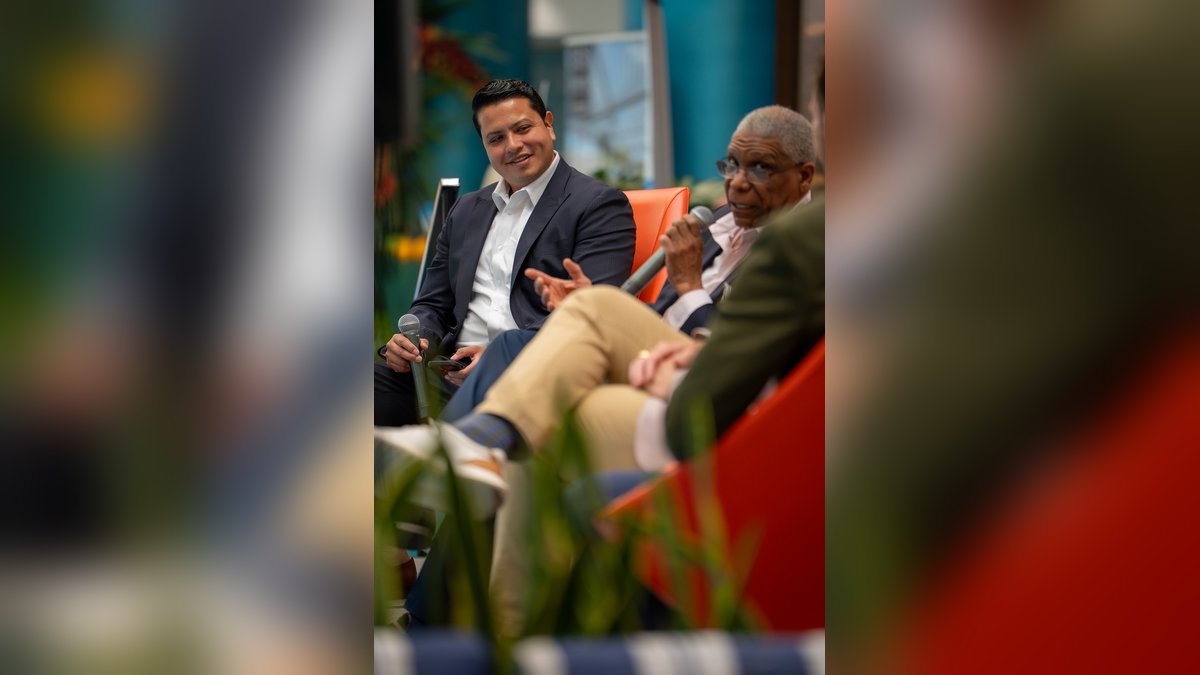
Most stalled negotiations look like a fight over terms. One side wants a lower price, the other wants a longer commitment, and the conversation circles the same point until someone walks away. Andres Limones has spent his career learning to look past that point.
“Complex decisions often involve people with different objectives, information, and constraints,” he says. “Progress can stall when those differences are misunderstood or when attention stays fixed on the immediate disagreement.”
Limones is a South Florida government affairs professional and civic leader whose work sits where business strategy, local government and infrastructure meet. Since 2022 he has served as a Government Affairs Manager in Broward County for a Fortune 500 company, with responsibilities that include municipal relationships, procurement, contract negotiations, renewals and implementation. Over four years, he has helped secure more than $300 million in total contract value across renewals and new business.
Reading the Whole Board
The habit that shapes his work is a simple one: look beyond the issue on the table. “I look beyond the immediate issue to understand the interests, challenges, timing, and choices that shape a situation,” he says. “I enjoy finding a path forward when the answer isn’t obvious, whether it’s negotiating a business agreement, advancing a community initiative, or navigating a difficult conversation.”
In practice, that means asking questions that are easy to skip under deadline pressure. How will this decision affect future options? What incentives are driving each person in the room? Where could a different approach produce a better result for everyone involved?
His stated goal is practical. “I aim to help turn competing priorities into workable agreements and commitments that can be carried through,” he says. The last part of that sentence matters to him. An agreement that looks good on signing day and falls apart in implementation is not, in his view, a win.
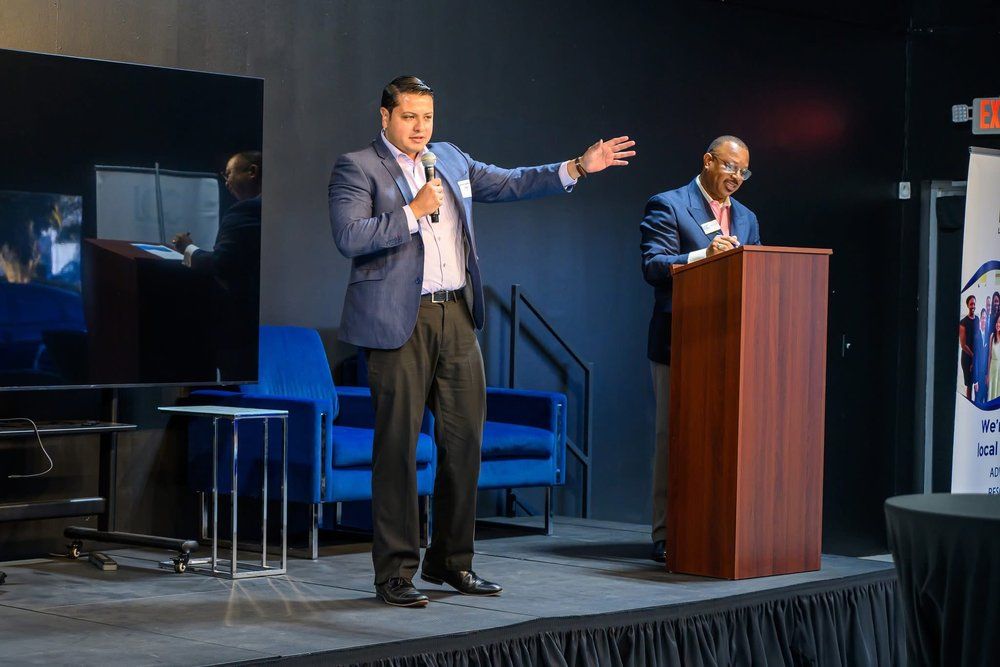
Sequence, Timing and the Right People
When business objectives, public expectations and operational realities do not line up, Limones does not assume the answer is to push harder. “Sometimes progress requires better information,” he says. “Sometimes it depends on timing, a different sequence of conversations, or a clearer understanding of what each party needs.”
That approach involves anticipating obstacles, weighing alternatives and bringing the appropriate people into the conversation at the right moment. It also requires composure. He describes learning to stay calm, examine the assumptions behind a disagreement and consider several paths before committing to one.
“You need the persistence to pursue an objective and the judgment to recognize when your approach should change,” he says.
Teaching Negotiation
Limones shares what he has learned through speaking, articles and videos. His educational writing includes pieces titled “The Power of Unlikely Allies in Negotiation,” “The Power of Planning in Negotiation: Sharpening Your Strategy for Success,” “The Power of Mentorship in Negotiation: Standing on the Shoulders of Giants” and “Overcoming the Fear of Negotiation: Redefining Conflict as Opportunity.” His YouTube channel offers short, practical negotiation lessons.
The common thread is preparation. “Understand the situation before committing to a strategy,” he advises. “Know your value, study the incentives, and consider your alternatives.”
Strategy With Responsibility
For a city like New York, where deals move fast and leverage is often treated as the whole game, Limones adds a qualifier. “I also believe effectiveness carries responsibility,” he says. “Sound strategy requires judgment about the consequences of a decision and the commitments it creates.”
He extends that idea to reputation. “Think beyond the immediate transaction,” he says. “Your decisions build a reputation, shape future opportunities, and set an example for the people who depend on you.”
Readers can find more of his perspective on strategic thinking, business and community leadership on LinkedIn, watch his negotiation lessons on YouTube, follow him on Instagram and TikTok and learn more at AndresLimones.com.