

Astoria's Ditmars Boulevard Keeps Losing Independents to Chains. What the Commercial Rent Stabilization Bill Would Do, and What Tenants Can Do Now
A wave of closures on Ditmars Boulevard has local owners and officials pointing at rent, tariffs and slow permits, and calling for a state bill that would cap commercial rent increases in New York City. Here is what S.8319/A.5568-A would do, why landlords' lawyers oppose it, where it stands, and the lease protections small tenants can negotiate today.
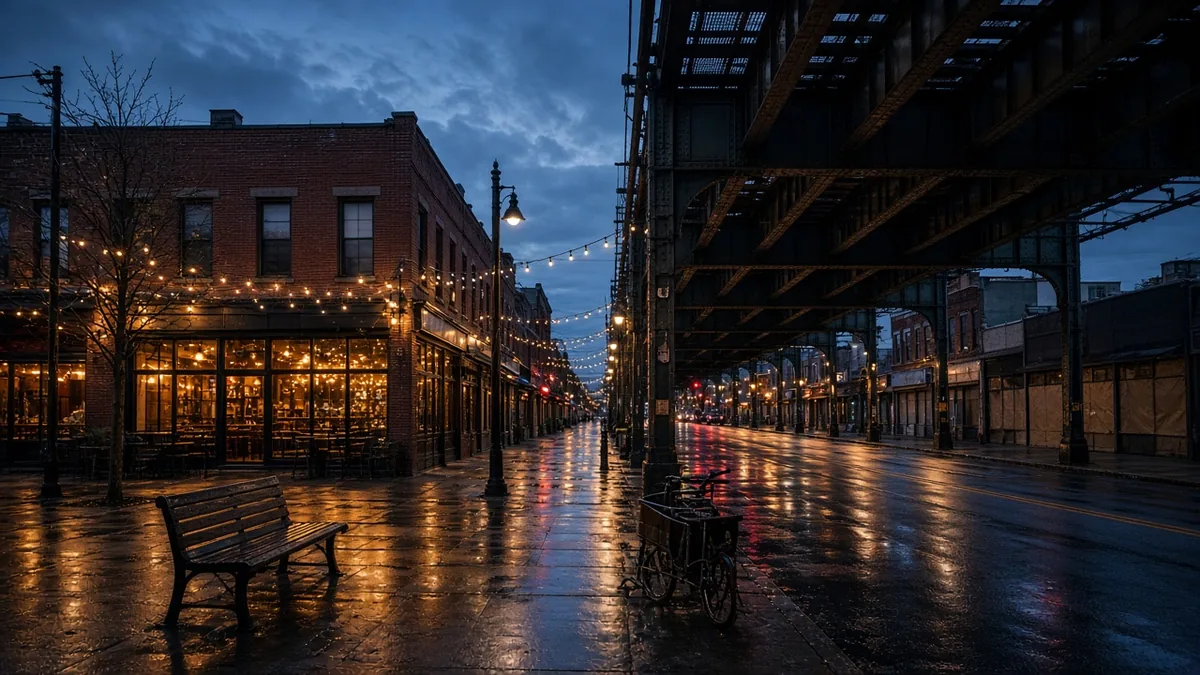
NEW YORK — On Ditmars Boulevard in Astoria, a running joke holds that every storefront will eventually go to a chain like Dunkin’. This fall, part of the joke came true.
Dunkin’ is moving into the former home of The Brass Owl boutique at 36-19 Ditmars Blvd., QNS reported on Nov. 25. It is a relocation from 37-23 Ditmars, one of the chain’s three storefronts on the strip, not a new store. It is aiming to open in the first quarter of 2027. Nicole Panettieri, who ran The Brass Owl for 11 years, told QNS that tariffs and rent forced her to close earlier this year. “There’s no way I could have competed with a Five Below and a Target when my prices were rising because of tariffs,” she said.
QNS counted several closures this year on Ditmars between 31st and 38th streets, including Acento, Krave It, Moho Mexican Grill, Melt ‘n’ Dip and Barranco. Wine bar Tootles & French closed in August. Its owner, Chad Goldsmith, said he paid rent for almost two years before opening while he waited for approval to do work in the space. Gnocchi on 9th, a New York pasta chain, is taking the former Krave It space.
Not Just Astoria
City Comptroller Mark Levine’s new storefront vacancy dashboard shows a citywide rate of 11.32% in the third quarter. Queens is at 9.80%, the largest increase of any borough since 2023. Old Astoria-Hallets Point is one of five neighborhoods at or near 20%. The city recorded a net loss of 205 small businesses between the second and third quarters. (We looked at the Lower Manhattan numbers here.)
In Williamsburg, nearly 30-year-old Sea Thai closed on Nov. 22, Eater reported. Crain’s framed the closure as luxury shops moving in.
The Bill Everyone Is Pointing To
State Sen. Julia Salazar and Assembly Member Emily Gallagher sponsor the New York City Small Business Rent Stabilization Act, S.8319 and A.5568-A. According to QNS and a Holland & Knight analysis, the bill would:
- Create a nine-member Commercial Rent Guidelines Board to set maximum annual rent increases for covered commercial leases signed after the law takes effect.
- Give tenants a right to lease renewal, with renewals set at 10 years.
- Give “at will” tenants the right to a written lease.
- Require commercial landlords to register with a new city agency and pay a fee.
- Set harassment damages at the greater of 10 times the proposed rent or $150,000.
“Small” refers to the size of the space, not the business: up to 10,000 square feet for retail and offices and up to 25,000 square feet for manufacturing, art or cultural uses, Holland & Knight wrote. Salazar told QNS the bill would not freeze or roll back rents and would still allow landlords a fair return. The City Council has introduced Resolution 496 urging Albany to pass it.
The Case Against
Stuart Saft of law firm Holland & Knight called the bill “unnecessary, unworkable and unfair.” He argued that capping rent growth would lower property values and the tax base, make lenders warier, and lead landlords to cut back on storefront improvements. His sharpest point is about tenants: landlords locked into caps and 10-year renewals might become “vastly more selective,” favoring well-capitalized tenants over first-time founders. He also noted that a similar city bill, the Small Business Jobs Survival Act, failed in the City Council.
Where It Stands
Not close. S.8319 was referred to the Senate Cities 1 committee in January, according to BillTrack50. QNS reported three Senate co-sponsors besides Salazar and four on Gallagher’s Assembly version. Assembly Member-elect Brian Romero, whose district covers much of Ditmars, told QNS he will back it when he takes office in January. The current legislative session ends this year.
What Tenants Can Do Now
Community Board 1 chair Evie Hantzopolous gave QNS a warning for anyone shopping for space: “Landlords don’t want to do 10-year leases anymore.” With no rent law coming soon, protection has to be written into the lease.
Negotiate renewal options up front. An option to renew at a set rent or a capped increase is the closest thing to stabilization a tenant can get today. It costs nothing to ask before you sign.
Cap the escalations. Fixed annual increases are easier to plan around than open-ended “market” resets.
Tie rent to your opening date. Goldsmith’s two years of rent before opening is a warning. Ask for free rent until permits are issued or until you open, and get it in writing.
Use vacancy as leverage. Where storefronts sit empty, the landlord has fewer options. Check the comptroller’s dashboard for your target area before making an offer.
Get a lawyer before signing. A few hours of review costs far less than a bad 10-year lease.
Get involved. Panettieri and Goldsmith were founding members of the Destination Ditmars Merchants Association. Merchant groups can push for permit reform and give owners a voice in Albany.
Hantzopolous also wants large mixed-use projects to set aside affordable retail space, the way they include affordable housing. That idea, like the rent bill, is a long way off. The lease in front of you is not.